


RMB is a division of First National Bank of Namibia Ltd, Reg. No. 2002/0180. A subsidiary of FirstRand Namibia Limited.
RC 1031371 Copyright © FirstRand 2026. All rights reserved.
MEDIA RELEASE
26 APRIL 2022
Negative effects of the Russia-Ukraine war continue to reverberate throughout Africa’s economies. Coupled with the lingering effects of the Covid-19 pandemic, this is adding to higher oil and food prices.
Significant price increases and supply-side challenges have been the norm since the beginning of the year. Wheat and other cereal prices rose sharply and with the expectation of higher inflation, businesses have already increased their prices for goods and services.
Massive disruptions over the past two years due to the pandemic resulted in business input costs increasing by 10% to 15%. Further input costs should be expected this year as the global economy has not re-opened fully. China is still restricting movement as a result of the pandemic and the war is affecting trade in Europe.
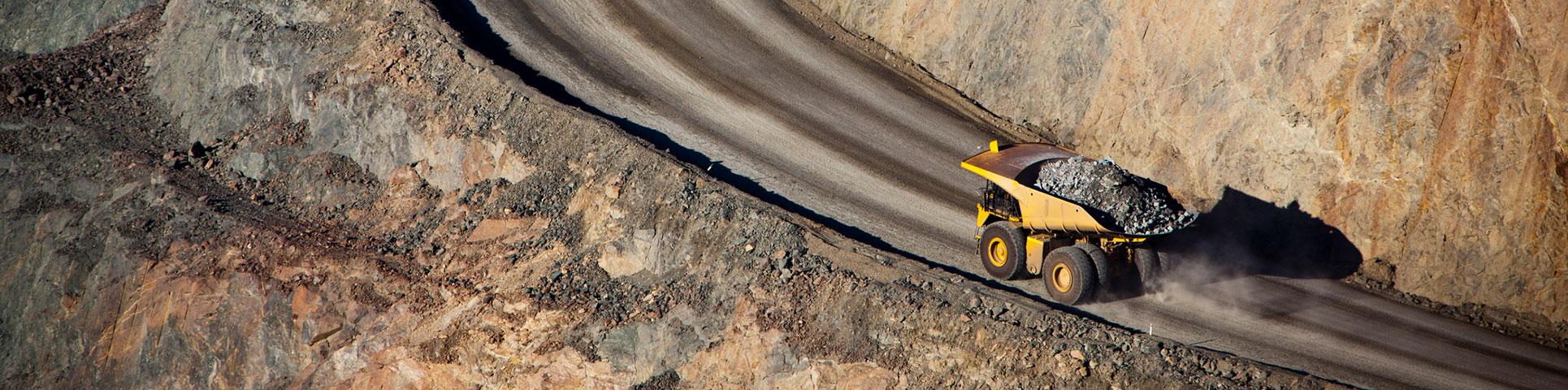
Increased mining output, investments in renewable energy and waning base effects are likely to continue to drive growth in Namibia.
“This helps us maintain our view that growth will continue to be driven by these factors,” says Ruusa Nandago, Economist from RMB in Namibia. “High frequency data already points towards improved mining performance.”
The Composite Mining Index growing by 10% y/y compared to a contraction of 11.0% over the same period last year. The Diamond Mining Index grew by 26% y/y compared to a contraction of 16% over the same period in 2020. The Uranium mining Index grew by 10% y/y (5% in 2020) and the Gold Mining Index by 17% y/y (15% in 2020).
Private Sector Credit Extension (PSCE) is gradually recovering from its 2021 lows but continues to point to weak household and business confidence as credit uptake remains low despite the low interest rate environment. “We expect the rising interest rate environment to put further pressure on the ability for households and corporates to take up credit,” says Nandago.
Inflation continues to increase, with the February 2022 inflation figure printing at 4.5% y/y compared to 2.7% over the same period last year. This increase in inflation has been predominantly driven by higher transport costs as a result of significant fuel price hikes.
Adds Nandago: “We expect inflation to accelerate over the course of the year as the Russia-Ukraine conflict keeps both global oil and food prices higher. The oil price will filter through to domestic fuel prices given that Namibia is a net importer of oil. We also expect the higher fuel prices to filter through to goods and food inflation as 70% of imports in Namibia are transported via road.”
Rising inflation poses downside risk to growth as it will erode consumer purchasing power and increase input costs for businesses.
“We believe retailers have limited room to absorb rising costs and will pass them through to the consumer through higher final prices,” concludes Nandago.
End
For media enquires or interviews, please contact:
Elzita Beukes l FNB Namibia l Elzita.Beukes@fnbnamibia.com.na